
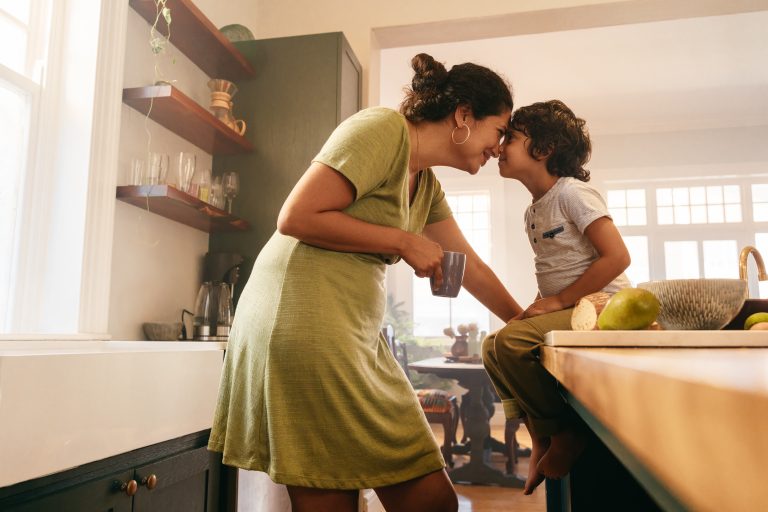
Children do not grow in isolation — they are shaped by their families, their communities, and the cultural identities that influence how they understand the world. In the context of supporting families who have experienced gender-based violence, recognizing and honouring culture is an essential part of creating safety and connection. We recently spoke with Lia Sheshbaradaran, Child and Youth Worker with the Growing Up Safe program at Crossroads, about what it means to practice cultural safety in real-life work with children and families.

Understanding Cultural Safety in Parenting
For Lia, cultural safety begins with respect and awareness that there is no single “right” way to parent. Many parenting approaches are rooted in cultural values, traditions, and lived experiences. Rather than correcting or changing these practices, the focus is on understanding them. This means approaching families with curiosity, asking questions, and recognizing that caregivers are doing the best they can with the knowledge and experiences they have. Trauma may impact how families function, but culture itself is not the problem — it is often a source of strength and identity.
The Role of Culture and Identity in Child Development
Culture and identity play a foundational role in child development. They shape how children see themselves, how they relate to others, and how they make sense of their experiences. Family structures, roles, and expectations can vary widely across cultures, influencing everything from communication styles to decision-making within the home. In some cases, children may take on new roles in response to family changes or trauma, which can shift dynamics in ways that are deeply tied to cultural expectations.
Moving Past Western Assumptions Through Cultural Humility
At times, misunderstandings can arise when service providers view families through a narrow or Western lens. Behaviours or decisions that may seem unfamiliar or confusing can make sense when understood within a cultural context. Without this awareness, there is a risk of making assumptions or unintentionally placing judgment on families. Leading with cultural humility — and recognizing that there is always more to learn — helps create space for more meaningful and respectful engagement.
Creating Culturally Safe Environments and Community Connection
Creating culturally safe environments also means making room for families to express and celebrate their identities. In shelter settings, this can include recognizing cultural traditions, celebrating holidays, sharing meals, and building community among families. These moments of connection can bring comfort and familiarity to children who are navigating unfamiliar and often overwhelming environments. When children see their culture reflected and respected, it can strengthen their sense of belonging and emotional safety.
Language, tradition, and community also play a powerful role in supporting children’s well-being. Familiar cultural practices can provide stability during times of change, while shared language and experiences can help build trust and connection. Even in diverse environments, families often come together to support one another, reinforcing the idea that care and community can extend beyond immediate family.
Translating Cultural Awareness into Inclusive Practice
Moving beyond awareness into truly inclusive practice requires intentional action. This may involve incorporating cultural elements into everyday interactions, inviting families to share what is meaningful to them, and using those connections to support healing. Culture can be a powerful source of empowerment, helping children and caregivers feel grounded, valued, and understood.
For Lia, the path toward culturally safe practice is ongoing. She encourages staff to remain curious, ask questions, and continue learning from both families and colleagues. Cultural humility is not about having all the answers, but about being open, respectful, and willing to grow. By honouring identity and embracing diversity, we can create spaces where children and families feel truly seen, supported, and safe.