
Crossroads Logo Wh 2

Crossroads Children’s Mental Health Centre is Ottawa’s community leader in developing and delivering a wide range of free, individualized mental health services to children and their families.

Help for Children.
Hope for Families.

Our Approach

Crossroads Children’s Mental Health Centre brings clinical expertise
directly into community settings.

Our model integrates therapeutic, psychoeducational, and community-based supports so that children and caregivers affected by gender-based violence receive care that is both evidence-based and accessible. By working on-site in partner shelters and following families as they move into longer-term housing, we ensure continuity of care and create a foundation for lasting recovery.

Evidence-Based & Trauma-Informed

Our model brings together three well-established, research-supported interventions into one integrated framework designed specifically for children and caregivers affected by gender-based violence. Each approach has demonstrated measurable success in reducing trauma symptoms, strengthening relationships, and improving emotional well-being.

Trauma-Focused Cognitive Behavioral Therapy (TF-CBT)

The leading evidence-based treatment for children exposed to trauma. TF-CBT helps children process their experiences, reduce anxiety and depression, and develop effective coping skills.

Circle of Security ®
(COS)

An attachment-based model that helps caregivers understand and respond to their child’s emotional needs, fostering secure relationships that support long-term recovery.


Collaborative Problem Solving ®
(CPS)

A strengths-based approach that equips children and caregivers with practical tools to manage emotions, solve problems collaboratively, and reduce conflict in daily life.


While each of these interventions is effective on its own, our innovation lies in integrating them to meet the multifaceted needs of families recovering from violence. This trauma-informed and evidence-based model delivers measurable outcomes through standardized tools such as HEADS-ED. The result is a comprehensive approach that not only supports individual healing but also strengthens the family system and contributes to the evidence base for community-based trauma recovery programs.

Children & Caregivers, Healing Together

Together, these interventions create a foundation for healing that extends beyond individual therapy.

Healing from trauma happens most effectively when children and caregivers move forward together. Our model is designed to strengthen both sides of that relationship. Children receive developmentally appropriate interventions to help them make sense of their experiences and manage emotions like fear, anger, or sadness. Caregivers, in turn, learn how to support their child’s recovery, building safety, consistency, and trust through everyday moments like shared meals, bedtime routines, or problem-solving after conflict.

By focusing on the connection between children and their caregivers, the program helps restore a sense of safety and belonging that is essential for long-term resilience and recovery.

Psychoeducation & Capacity-Building

Crossroads’ model extends beyond therapy sessions.

Through psychoeducation, children learn to understand their experiences, and caregivers gain tools to support their child’s recovery at home. At the same time, we strengthen the broader system of care through training and cross-training with our shelter partners. Shelter staff are equipped with strategies to recognize and respond to child trauma, while Crossroads clinicians deepen their knowledge of domestic violence and survivor resilience. This exchange of expertise ensures that families receive consistent, trauma-informed support across all settings.
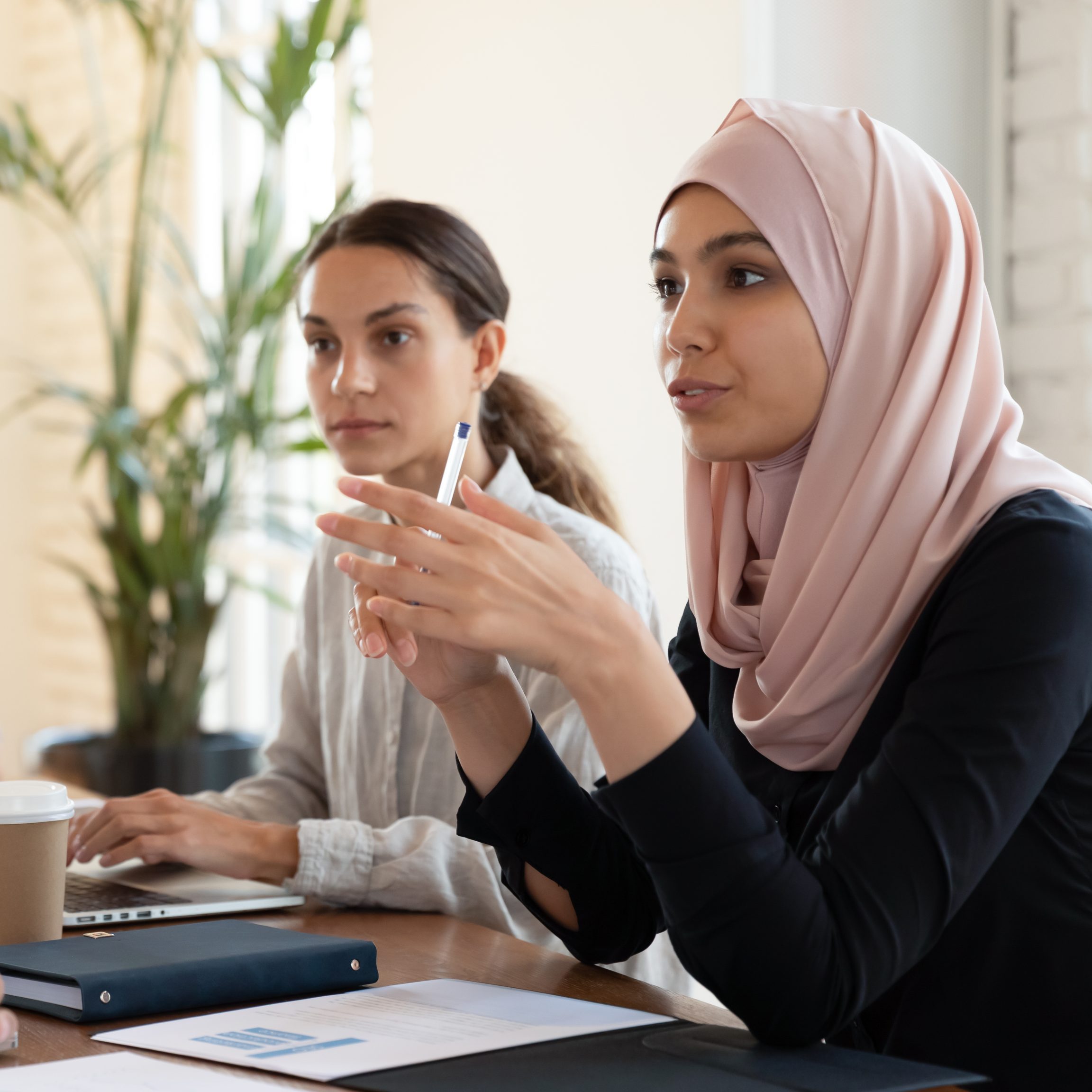
Multicultural businesspeople negotiating gathered together at office group meeting led by businesswoman middle eastern ethnicity leader in hijab, talking expressing opinion speak with european partner

Continuity of Care

Healing doesn’t stop when families leave the shelter.

Crossroads clinicians continue to check in, offering guidance as families settle into longer-term housing and adjust to new environments. This continuity supports lasting recovery and reduces the risk of setbacks.

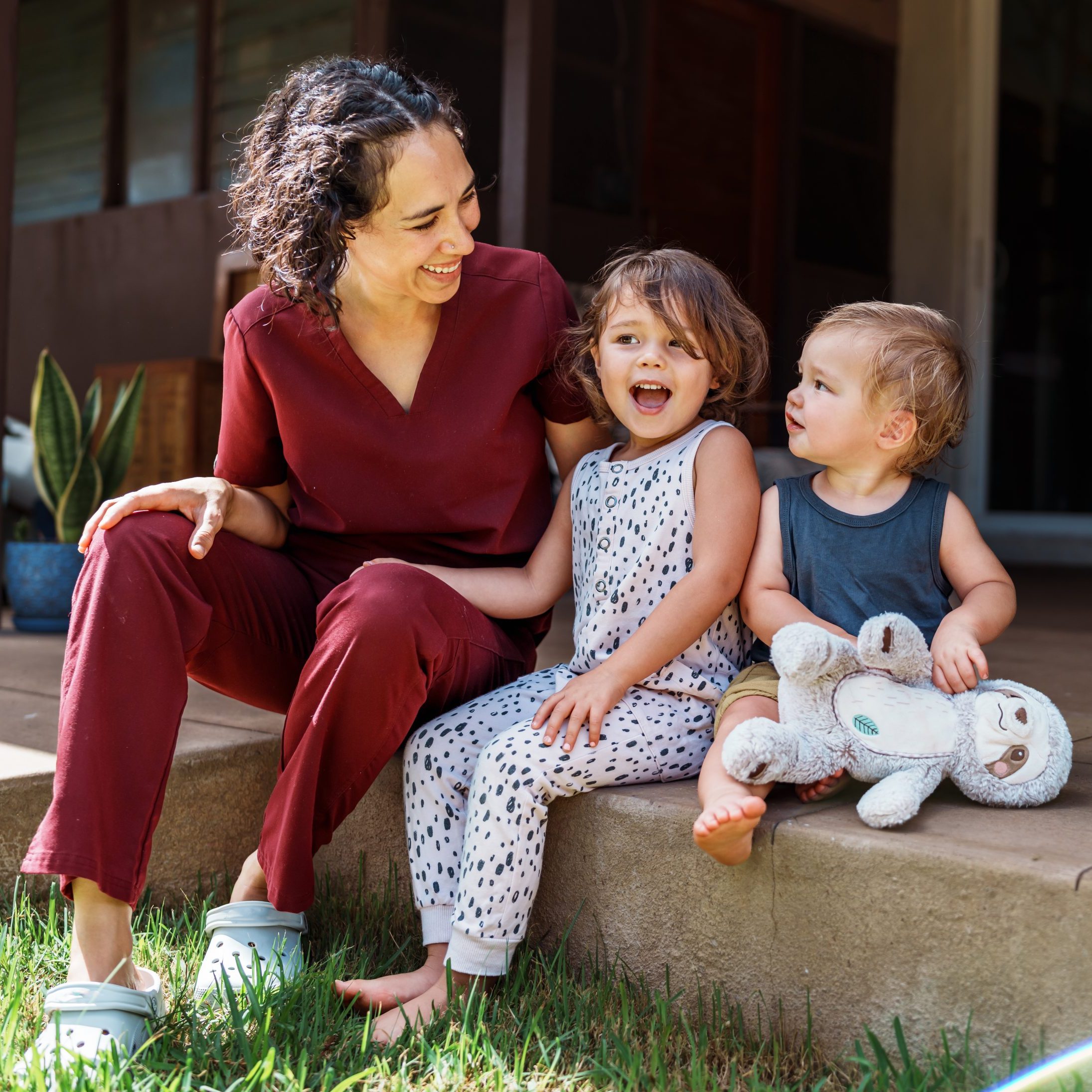
A female nurse of Hawaiian and Chinese descent sits outside on the back patio of her home and playfully interacts with her cheerful and cute Eurasian son and daughter after returning home from work.

Outcomes & Impact

Our model is designed for measurable results.

Families participating in the program show reductions in trauma symptoms, improvements in emotional regulation, and stronger family functioning. Outcomes are tracked through standardized tools. This commitment to measurement-based care ensures that services are responsive, effective, and continuously improving.

Crossroads Expertise

Crossroads has a long history of delivering specialized mental health services for children under 12 and their families.

Our staff include trauma-informed child and family therapists trained in evidence-based interventions. We maintain rigorous supervision and quality assurance structures, ensuring that clinical practices meet the highest standards. Through research partnerships, including with the University of Ottawa, we evaluate our interventions and identify promising practices that can be scaled and shared across the sector.

For families who have gone through deep trauma, the presence of even one person who can offer support, validation, and genuine listening is vital. Sometimes the biggest impact comes from simply showing up with consistency, empathy, and safety — and that’s what this program provides.

Contact Us

We are always happy to answer your questions and provide more information on our services. 613-723-1623

Please enter your name.
Please enter a message.
Scroll to Top