
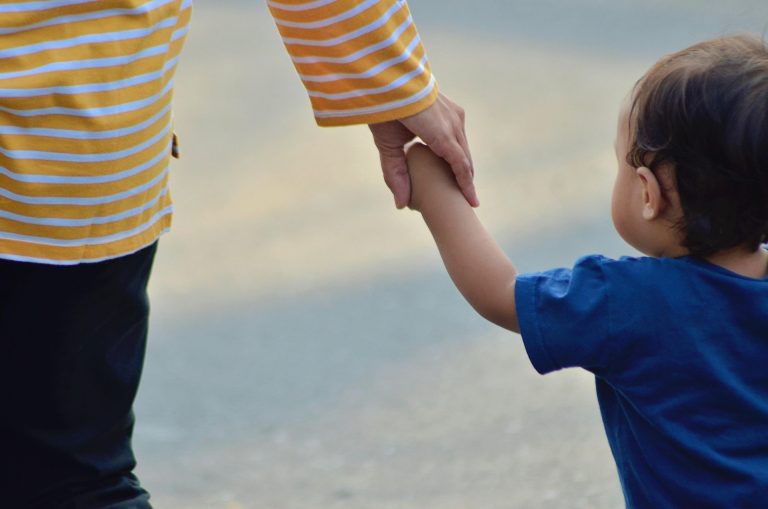
Life transitions can be especially challenging for children, particularly when those changes involve leaving familiar environments, routines, and support systems. Child and youth workers regularly support children and caregivers as they navigate these moments of uncertainty. We recently spoke with Gelila Meberatu, a Child and Youth Worker with Crossroads and the Growing Up Safe program, about how transitions affect children and what helps them feel safer and more supported during times of change.
New Places, New Faces, Big Feelings
For many children, transitions involve adjusting to new faces, new spaces, and new routines, often all at once. Leaving behind extended family members, familiar caregivers, or established support systems can feel overwhelming. Changes to daily routines; such as bedtime, meals, school schedules, or sleeping arrangements can be especially difficult, particularly for younger children. These disruptions can affect children emotionally, leading to increased shyness, withdrawal, or difficulty regulating emotions as they try to make sense of their new environment.
Children often show they are struggling in different ways. Some may become more oppositional or disengaged from activities they once enjoyed, while others may cling closely to caregivers and seek constant reassurance. Getting off routine can further heighten stress, especially for children who rely on predictability to feel secure. These behaviours are often signals that a child is feeling unsure, rather than intentional defiance.
Quiet Support, Lasting Impact
One of the most important ways adults can support children during transitions is through  presence and consistency. Gelila emphasized that children don’t always need structured interventions or solutions right away. Simply having an adult who listens, sits with them, and offers steady support can make a meaningful difference. Whether through quiet companionship, drawing together, or engaging in play, being emotionally available helps children feel seen and cared for, even when they’re not ready to talk.
Routines Bring Reassurance
Maintaining routines plays a key role in helping children cope with change. When so many aspects of life feel unpredictable, consistent routines offer a sense of control and stability. Regular wake-up times, meals, school schedules, and bedtime rituals help children know what to expect and reduce emotional overwhelm. For children who struggle with flexibility, predictability can prevent additional stress and help them mentally prepare for what comes next.
Acknowledging Feelings, Encouraging Choices
Emotional validation is another essential part of supporting children through transitions. Giving children permission to express their feelings without judgment or dismissal helps build emotional security. When children feel their emotions are acknowledged and accepted, they are less likely to internalize distress or believe their feelings don’t matter. Validation reassures children that they are safe, heard, and not alone in what they are experiencing.
Small, practical strategies can also help children feel more in control. Inviting children into age-appropriate decision-making, asking for their input, and involving them in problem-solving conversations builds a sense of agency. Approaches like Collaborative Problem Solving help children feel respected and supported, while reinforcing that their voice matters.
Care for Caregivers
 Supporting caregivers is equally important during transitions. Caregivers are often overwhelmed themselves, balancing their own stress while supporting their children. Encouraging self-care, connecting caregivers to resources, and offering coping strategies can help prevent burnout and strengthen the caregiver’s capacity to support their child.
Gentle Growth, Steady Support
Over time, progress may show up in subtle ways. Children may become more comfortable in shared spaces, engage more with others, or begin following routines more easily. Increased independence, openness, and confidence are often signs that children are starting to adapt and feel safer in their new environment.
Above all, Gelila shared one message she hopes children carry with them during transitions: there are people who care deeply about them. Their feelings are valid, they are supported, and they don’t have to face change alone. With patience, consistency, and compassion, children can begin to regain a sense of safety and move forward one day at a time.